


Views: 0 Author: Site Editor Publish Time: 2026-06-26 Origin: Site


Electric vehicle infrastructure is no longer a futuristic novelty. It has rapidly evolved into a core operational asset for modern organizations. Installing charging equipment brings tangible value to physical locations. It transforms idle parking spaces into active service hubs. However, successful deployment demands far more than buying basic hardware. You must navigate comprehensive site design, ensure strict regulatory compliance, and build a sustainable long-term operational strategy.
Without a clear plan, projects often face severe delays and unexpected budget overruns. Decision-makers need a structured approach to mitigate risks early in the planning phase. This definitive guide provides a robust framework to evaluate, plan, and execute your deployment smoothly. We will walk you through aligning technology with user needs, mitigating hidden installation risks, and selecting reliable network management software. You will learn exactly how to build a resilient, future-proof network.
Strategic Alignment: Hardware selection must directly map to user dwell times and business objectives (revenue generation vs. amenity).
Hidden Costs Mitigation: Upfront electrical infrastructure planning and utility coordination are the primary drivers of project budgets and timelines.
Interoperability Matters: Avoiding proprietary software lock-in via OCPP-compliant management systems is critical for long-term operational viability.
Compliance is Non-Negotiable: ADA guidelines, local zoning, and specific utility requirements must be integrated during the initial site design phase, not as an afterthought.
You must establish clear success criteria before evaluating hardware. Establishing the business case for a Commercial EV charging station requires mapping equipment to specific organizational goals. Many operators seek direct monetization. They set usage tariffs to cover electricity consumption and generate profit margins. Others prioritize indirect revenue. Retailers often offer charging to increase customer dwell times, boosting in-store sales naturally. Employers deploy chargers as a workplace amenity to improve employee retention. Fleet operators install them to ensure daily vehicle readiness during internal fleet transitions.
Next, you must conduct a rigorous cost-to-outcome evaluation. Evaluate the lifecycle financials by balancing capital expenditures (CapEx) against ongoing operational expenditures (OpEx). CapEx includes hardware procurement, site engineering, trenching, and grid upgrades. OpEx encompasses software subscriptions, routine maintenance, network fees, and utility demand charges. Compare these combined expenses against your projected return on investment (ROI). Avoid overly optimistic usage projections. Ground your estimates in realistic daily session counts.
You should aggressively pursue available incentives and subsidies. Audit federal, state, and local utility rebate programs thoroughly. These funds significantly offset initial installation burdens. Always maintain transparent assumptions about eligibility. Some grant programs mandate strict public accessibility rules or specific equipment certifications. Securing regional funding early dramatically improves project viability.
Hardware choices dictate system performance and user satisfaction. You must match equipment capabilities directly to expected user dwell times. Installing the wrong charger type wastes capital or frustrates drivers.
An EV ac charging station serves high-dwell-time locations perfectly. These include workplaces, hotels, and multi-family residential buildings. Drivers typically park for four to eight hours in these environments. The slower turnaround aligns naturally with the driver's schedule.
These units offer lower hardware and installation costs. They require less complex electrical infrastructure. We highly recommend utilizing load-balancing capabilities. Smart load management monitors building power limits and distributes available electricity across multiple active ports simultaneously. This strategy maximizes your existing electrical panels. It prevents expensive main breaker upgrades while serving more vehicles.
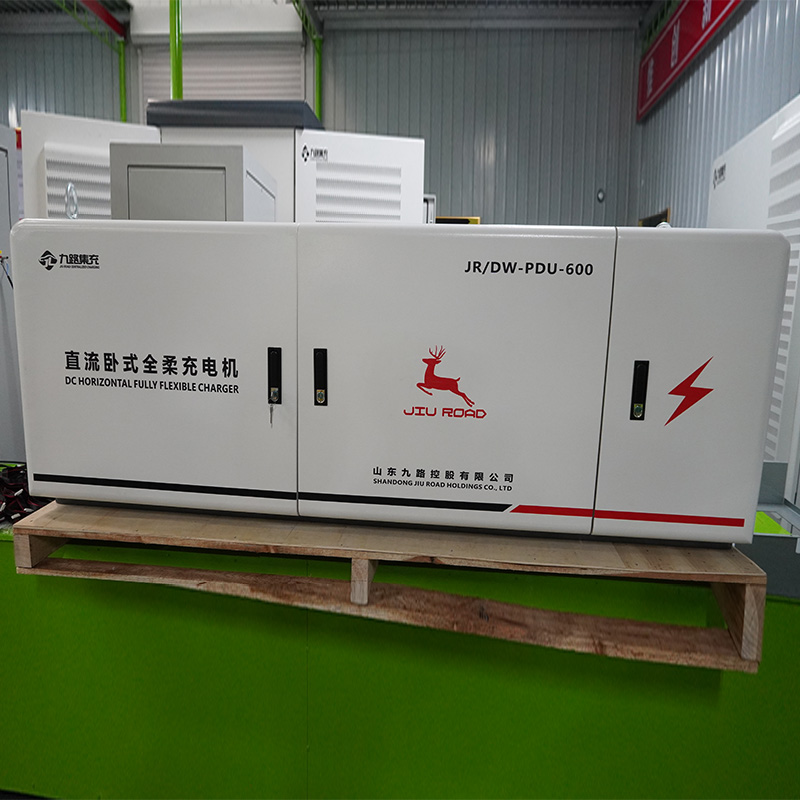
High-turnover retail centers, highway corridors, and commercial fleets demand rapid solutions. An EV dc charging station bypasses the vehicle's onboard converter. It pushes power directly to the battery, delivering substantial range in minutes.
These systems require massive capital investments. Implementation realities include stringent grid requirements. You will likely face the need for on-site transformer upgrades. The equipment utilizes 480V three-phase power, requiring heavy-duty conduit and robust thermal management systems. Engage electrical engineers immediately to assess existing grid capacity.
Sometimes fixed infrastructure is delayed or unfeasible. In these scenarios, a Portable EV charging station offers immense strategic value. They provide critical flexibility for temporary deployments.
Consider them for temporary events, disaster relief staging, or phased fleet transitions. When utility grid upgrades face multi-month delays, mobile units keep operations running smoothly. They serve as a reliable stopgap measure. You can deploy them instantly to meet immediate power demands while waiting for permanent site construction.
Hardware Category | Primary Use Case | Average Dwell Time | Grid Infrastructure Impact |
|---|---|---|---|
AC Level 2 | Offices, Hotels, Apartments | 4 to 8 Hours | Low to Moderate |
DC Fast Charging | Highways, Fleets, Retail | 15 to 45 Minutes | High (Upgrades Expected) |
Portable Units | Events, Phased Rollouts | Variable based on unit | Minimal (Off-grid capable) |
Proper physical layout prevents operational bottlenecks. It also controls runaway installation budgets. Thoughtful site design integrates technical requirements safely into the existing environment.
Distance dictates your budget directly. The physical gap between the parking location and the main electrical service panel heavily influences trenching and conduit costs. Digging through dirt is relatively fast. Cutting concrete or asphalt requires specialized equipment, backfilling, and surface repaving. This destroys capital quickly. You must place equipment as close to the power source as practically possible.
Always advocate for "make-ready" infrastructure. Future-proofing layouts saves massive labor expenses later. Lay oversized conduit during the initial trenching phase. Pull additional wire or leave pull-strings in capped pipes. This accommodates future station additions without re-trenching the pavement down the road.
Accessibility is mandatory, not optional. You must follow the Americans with Disabilities Act (ADA) guidelines strictly. Ensure accessible spacing for wheelchairs and provide a clear path of travel to the building entrance. Mount connectors within specified ADA reach ranges.
Minimize trenching distance to the primary electrical panel.
Install protective steel bollards at all parking bays to prevent hardware impacts.
Ensure ADA-compliant aisle widths and accessible slopes.
Mount hardware above historical flood lines in vulnerable environmental zones.
Install clear, highly visible signage marking designated parking.
Execution phases carry significant financial and temporal risks. You must navigate bureaucratic red tape and physical grid limitations carefully.
Utility coordination is your first critical step. Engage your local utility provider before purchasing any hardware. You must verify grid capacity early. Discovering power shortages late in the process causes multi-month delays. Utilities dictate transformer availability and grid connection timelines. Treat them as a primary project partner. Initiate load flow studies immediately to understand your baseline capacity.
Municipal permits require realistic timelines. Zoning reviews and structural inspections often move slower than anticipated. Warn your internal stakeholders against contractors who promise unrealistic turnaround times. Hurried installations often fail local code inspections, requiring expensive rework.
Select your contractors carefully. Shortlist only certified installers. In the US, look for the Electric Vehicle Infrastructure Training Program (EVITP) certification. This credential ensures strict safety adherence and full warranty compliance. Uncertified labor frequently voids manufacturer warranties and introduces severe fire risks.
Initiate preliminary load studies alongside the local utility provider.
Submit detailed architectural and electrical drawings for municipal permits.
Hire certified electrical contractors for safe site preparation.
Execute trenching, conduit laying, and heavy-gauge wire pulling.
Complete final municipal and utility safety inspections prior to energization.
Hardware alone cannot guarantee success. A reliable EV charging station network depends on robust operational strategies. Software and proactive maintenance dictate actual uptime and driver satisfaction.
You must demand Open Charge Point Protocol (OCPP) compliance. This global standard ensures your hardware communicates freely with any Charging Station Management System (CSMS). It actively prevents vendor lock-in. If a software provider fails or raises subscription rates, OCPP allows you to migrate your hardware seamlessly to a new network platform. Hardware lacking OCPP certification quickly becomes a stranded asset.
Software controls your monetization strategy and access rights. Evaluate platforms offering dynamic pricing models. You can adjust tariffs based on peak utility hours. Implement RFID card access for secure employee charging. Leverage user-friendly app-based payment gateways for seamless public transactions. Proper access control prevents unauthorized power theft.
Set realistic expectations for ongoing Operations and Maintenance (O&M). High uptime requires proactive care. Secure robust Service Level Agreements (SLAs) offering guaranteed response times. Schedule routine physical cable inspections to catch wear and tear early. Ensure your selected software includes remote troubleshooting capabilities. Operators can resolve minor software glitches instantly over the cloud, minimizing costly physical truck rolls.
Deploying infrastructure is a complex, multifaceted journey. Successful execution requires an integrated process of site design, careful hardware selection, and proactive operations. Rushing hardware procurement without a holistic site plan inevitably leads to failure. Every decision impacts long-term viability.
We strongly encourage you to conduct a professional site assessment. Always execute an electrical load study before committing to specific equipment. Understanding your baseline electrical capacity limits financial risk and prevents project delays.
Are you ready to build a scalable, reliable network? Contact our team today for a custom infrastructure audit. We will guide your organization through every phase of the planning and deployment process.
A: Installation costs vary wildly based on equipment type and site conditions. AC Level 2 setups generally incur lower expenses, requiring minimal electrical upgrades. Conversely, DC fast chargers demand significant capital. They frequently necessitate extensive trenching, heavy-duty conduit, and major utility transformer upgrades. Site preparation work typically exceeds the baseline hardware cost.
A: An AC unit delivers alternating current to the vehicle. The vehicle's onboard converter then changes it to direct current to charge the battery, which takes several hours. A DC unit bypasses the internal converter entirely. It supplies high-voltage direct current straight to the battery, allowing for rapid charging in minutes.
A: Portable units offer excellent flexibility for temporary events or phased rollouts. However, they cannot fully replace fixed infrastructure. They generally provide lower power output and require manual operation. Permanent networked units offer superior durability, automated billing, remote monitoring, and consistent high-speed performance for long-term deployments.
A: Always prioritize strict OCPP compliance. This open standard ensures your hardware communicates with multiple software platforms, preventing proprietary lock-in. Look for customizable access control, dynamic billing features, and robust remote diagnostic capabilities. The right software maximizes system uptime and seamlessly manages user payment gateways.


