


Views: 0 Author: Site Editor Publish Time: 2026-06-23 Origin: Site


Purchasing electric vehicle infrastructure requires moving far beyond basic terminology. Many people mistakenly assume the equipment involves nothing more than a simple wall plug. In reality, modern electric vehicle supply equipment operates as a highly complex ecosystem. It encompasses sophisticated hardware, specialized software, and heavy-duty grid-connection components.
Misunderstanding these required equipment layers often leads to under-specifying your facility's power needs. You might encounter severe, unexpected installation demands or prolonged deployment delays. Property owners frequently make the mistake of purchasing proprietary hardware. This limits future scalability and severely restricts network interoperability.
We provide a rigorous, component-by-component breakdown of modern infrastructure deployments below. Facility managers, fleet operators, and real estate developers will learn exactly how to evaluate different equipment vendors. You will discover the critical elements necessary to forecast your deployment workflows accurately. Understanding these technical components ensures you build a resilient, future-proof charging network.
A standard EV charging station comprises four main equipment tiers: electrical infrastructure, the physical dispenser, charging cables/connectors, and networking hardware.
The required internal components shift drastically depending on whether the deployment is an AC or DC system.
Commercial deployments require additional physical site protection, networking gateways, and payment modules that are often excluded from base hardware quotes.
Avoiding vendor lock-in requires prioritizing Open Charge Point Protocol (OCPP) compliant communication modules.
Building a reliable network requires understanding the foundational hardware. An EV charging station acts as a localized energy distribution hub. The physical unit you interact with represents only a small fraction of the total required equipment. True infrastructure demands four distinct tiers of technology working in perfect synchronization.
Electrical Site Prep & Grid Connection: This foundational layer connects the utility grid to your site. You need heavy-duty transformers to step down high-voltage utility power safely. Commercial electrical panels and rugged switchgear then distribute this energy. They ensure the current flows safely to each individual charging unit without overloading the facility.
The Pedestal/Dispenser (EVSE Housing): This tier represents the physical shell. Manufacturers design these enclosures using strict NEMA 3R or NEMA 4 weather-resistance ratings. The robust casing protects sensitive internal electronics from extreme temperatures, heavy rain, and physical debris. It provides the structural integrity necessary for public-facing deployments.
The Charging Module & Power Electronics: Consider this the operational brain of the operation. These internal circuit boards govern the exact flow of electricity. They continuously monitor for safety hazards using advanced ground fault protection mechanisms. Furthermore, they communicate actively back and forth via the vehicle's Battery Management System (BMS) to ensure optimal battery health.
Cables, Connectors, and Holsters: The final tier forms the physical tether between the dispenser and the vehicle. We evaluate these components based on cable length, durability, and flexibility in cold weather. For ultra-high-power applications, manufacturers integrate complex liquid-cooling capabilities. Standardized connector types include J1772, CCS (Combined Charging System), and NACS (North American Charging Standard) configurations.
Best Practice: Always request a full hardware breakdown from your vendor. Ensure their proposal clearly delineates the dispenser unit from the underlying electrical switchgear.
Common Mistake: Property managers frequently assume the dispenser contains all necessary power transformers. Failing to account for upstream electrical panels leads to severe project delays.
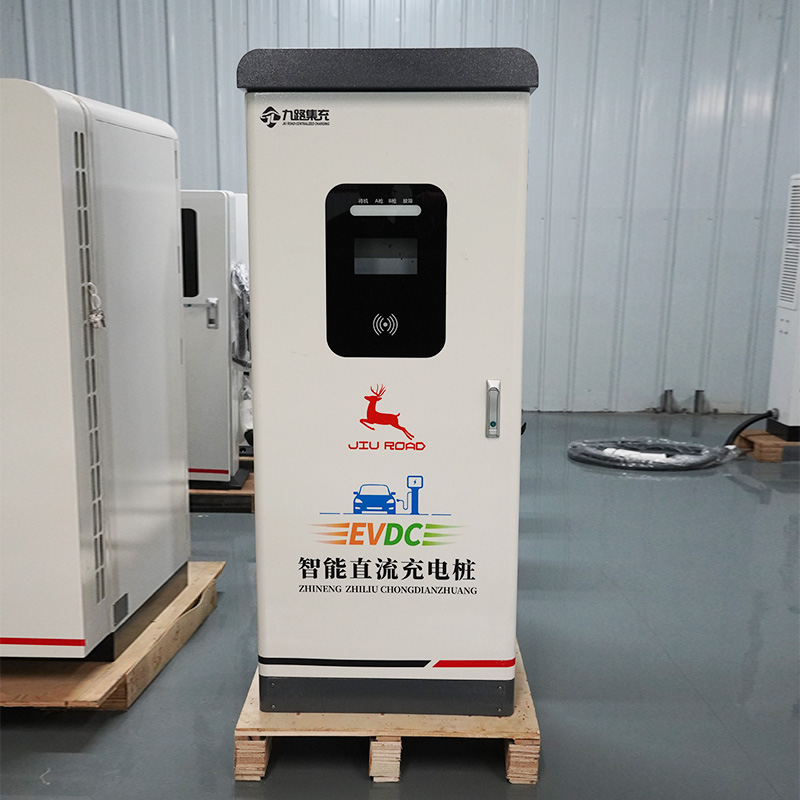
The internal components of your equipment vary dramatically based on the type of power you intend to deliver. Understanding the mechanical differences between alternating current and direct current prevents costly over-engineering.
An EV ac charging station utilizes a relatively straightforward power delivery mechanism. It delivers alternating current directly from the grid into the vehicle. The vehicle's onboard inverter then converts this AC power into DC power to store in the battery. Because the car handles the heavy conversion lifting, the station's internal architecture remains simpler.
The hardware primarily consists of safety contactors, basic metering equipment, and standard control boards. You evaluate these units based on their lower initial capital requirements and straightforward installation footprints. They serve best in environments accommodating long dwell times. Workplaces, multi-family housing complexes, and hotel parking lots represent ideal deployment scenarios.
Conversely, an EV dc charging station bypasses the vehicle's onboard converter entirely. It delivers direct current straight into the battery pack, enabling incredibly rapid energy transfer. This massive speed advantage requires heavy-duty, space-intensive internal hardware.
The equipment houses massive AC-to-DC rectifiers. It incorporates advanced thermal management systems to prevent critical overheating during operation. Many modern fast units even require specialized liquid-cooled cables to handle the extreme amperage safely. You will typically need high-capacity external power cabinets positioned near the primary dispenser. These systems suit rapid-turnover applications like highway rest stops or commercial fleet depots exclusively.
Feature | AC Charging Equipment (Level 2) | DC Fast Charging Equipment (Level 3) |
|---|---|---|
Core Mechanism | Passes alternating current to vehicle inverter. | Converts AC to DC internally; feeds battery directly. |
Internal Hardware | Safety contactors, metering, basic control boards. | Large rectifiers, cooling systems, power cabinets. |
Physical Footprint | Compact, wall-mountable or slim pedestal. | Large, heavy, often requires separate power cabinets. |
Ideal Dwell Time | 4 to 8 hours. | 15 to 45 minutes. |
The specific operational environment dictates the final hardware configuration. Equipment designed for public monetization looks vastly different from equipment designed for temporary roadside deployment. You must match the hardware form factor to your specific operational goals.
A robust Commercial EV charging station prioritizes public durability, secure user access, and seamless monetization. These units face constant daily abuse from the general public and extreme weather conditions. Manufacturers build them using reinforced steel or heavy-duty composite plastics.
Dual-Port Setups: Commercial units frequently feature two cables extending from a single pedestal. This maximizes the number of vehicles serviced while minimizing the physical trenching required.
Payment and Access Modules: Public hardware integrates secure RFID/NFC card readers. Users tap standard credit cards or fleet access badges directly on the machine.
Interactive Interfaces: High-resolution LCD screens guide users through the session steps. They display real-time energy transfer rates and prompt users for necessary authorizations.
Cable Management Systems: Commercial sites utilize heavy-duty mechanical retractors. These suspend cables above the ground, preventing vehicle run-over damage and ensuring strict ADA compliance.
Conversely, a Portable EV charging station sacrifices high-end commercial monetization features in favor of extreme mobility. Fleets use these units for temporary deployments, event staging, or emergency vehicle rescue operations.
NEMA Plug Adapters: Instead of permanent hardwiring, portable units feature heavy-duty industrial plugs. You can move them easily between compatible 240V receptacles.
Shock-Resistant Casings: The external shell absorbs heavy impacts. Technicians frequently drop or toss these units into the back of utility trucks.
Integrated Power Modules: Portable equipment contains all necessary safety contactors internally without requiring external wall-mounted panels.
Best Practice: Always specify commercial-grade retractors for public deployments. Cables left dragging on the concrete deteriorate rapidly and create severe tripping hazards.
The most critical components of modern infrastructure remain completely invisible to the end user. Operating a multi-unit deployment requires sophisticated networking gateways. These digital components bridge the gap between physical electricity and intelligent software management.
Every intelligent dispenser requires an embedded communication modem. These modems establish a secure internet connection back to a central management dashboard. Facility managers rely on this connection to maintain system uptime and process user payments securely. Modems also allow manufacturers to push essential over-the-air (OTA) firmware updates remotely. This keeps the hardware functioning smoothly without dispatching a technician physically.
Large-scale deployments utilize on-site edge computing hardware. These local controllers sit inside the electrical room and manage power distribution across multiple stations simultaneously. They execute Dynamic Load Management (DLM) protocols. When ten vehicles plug in at once, the edge controller intelligently throttles the amperage distributed to each unit. This vital hardware prevents the system from tripping facility breakers or incurring massive utility demand penalties.
You must evaluate the specific communication boards housed inside the equipment. Prioritize hardware strictly compliant with Open Charge Point Protocol (OCPP) versions 1.6J or 2.0.1. OCPP acts as a universal language between the hardware and the software network. Mandating OCPP-compliant hardware ensures you never experience vendor lock-in. You retain the freedom to change software providers in the future without replacing the physical dispensers.
Evaluating equipment requires looking beyond the manufacturer's spec sheet. Real-world implementation demands additional safety gear and site preparation materials. Buyers frequently overlook these critical components during the initial procurement phase.
You must protect your heavy capital investment from accidental vehicle strikes. Distracted drivers frequently back into pedestals. Site plans strictly require steel bollards, heavy rubber wheel stops, and raised concrete mounting pads. These physical barriers absorb vehicle impacts before they destroy the sensitive electronics. EVSE manufacturers rarely include these items in the standard hardware box. You must source them independently through your local contractor.
The underground infrastructure represents a massive portion of the required equipment list. You need extensive lengths of PVC conduit to protect the heavy-gauge copper wire. This wire runs from the main electrical room, beneath the parking lot asphalt, and up into the dispenser pedestal. The sheer volume of copper wire and conduit required often represents the largest variable resource demand in any deployment.
Safety compliance components represent non-negotiable requirements. You must visually identify UL (Underwriters Laboratories) or ETL certification labels directly on the equipment casing. For example, hardware should display UL 2594 compliance for standard operation. These metal tags prove the internal components passed rigorous third-party fire and safety testing. Commercial insurance providers require these specific hardware tags before approving facility policies.
Common Mistake: Failing to order steel bollards prior to installation day. Concrete teams cannot finish the mounting pad without setting the protective bollards simultaneously.
Selecting the exact equipment configuration requires a systematic approach. You must align the hardware capabilities directly with your facility's operational realities. We recommend using a structured evaluation process before requesting final hardware proposals.
Calculate the average time vehicles spend parked at your specific facility. If vehicles remain parked for eight hours during a standard workday, you only need AC contactors. Standard Level 2 units easily replenish batteries during long shifts. If vehicles park for only twenty minutes at a highway rest stop, you absolutely require massive DC rectifiers. Aligning the hardware with the precise dwell time prevents massive resource waste.
Commercial hardware demands rigorous commercial-grade support. Evaluate the manufacturer's Service Level Agreements (SLAs). Ensure they warehouse replacement cables and modular power units domestically. Ask for guaranteed technician response times. Hardware sitting idle due to broken cables frustrates users and damages your facility's reputation.
Always conduct a comprehensive site electrical load audit first. You must know exactly how much spare amperage your existing transformer accommodates. Gather this hard electrical data prior to engaging equipment vendors. It guarantees they quote the correct hardware tier for your actual capacity.
Hardware Decision Matrix Chart | |||
Facility Type | Average Dwell Time | Recommended Hardware Tier | Key Equipment Requirement |
|---|---|---|---|
Workplace / Office | 6 to 9 Hours | Level 2 AC Equipment | Dynamic Load Management controllers |
Retail / Grocery | 1 to 2 Hours | High-Amp Level 2 AC | RFID / Credit Card readers |
Highway Corridor | 15 to 30 Minutes | Level 3 DC Fast Equipment | Liquid-cooled cables, large rectifiers |
Emergency Fleet | Variable | Portable AC/DC Units | Shock-resistant casings, NEMA plugs |
Purchasing an electric vehicle charging station represents a significant investment in a localized electrical grid. It goes far beyond simply buying a standalone consumer appliance. Successful procurement requires balancing the highly visible exterior hardware against the completely invisible software infrastructure. You must carefully align robust pedestals and heavy-duty cables alongside intelligent software gateways, commercial switchgear, and dynamic load management controllers.
By understanding every single component involved, you protect your facility from unexpected deployment hurdles. You ensure the hardware handles daily abuse while communicating seamlessly with modern vehicles. We advise all buyers to engage a certified electrical contractor immediately. Request a comprehensive site feasibility study today. This vital step finalizes your precise equipment requirements and sets your deployment up for long-term success.
A: EVSE stands for Electric Vehicle Supply Equipment. It serves as the comprehensive technical term encompassing all safety contactors, communication boards, and power delivery components. "Charging station" serves merely as the colloquial term. It usually refers strictly to the physical pedestal or dispenser unit visible in the parking lot.
A: No, it does not. The hardware manufacturer provides only the dispenser unit and its internal electronics. Any necessary electrical room upgrades, new utility transformers, and underground trenching represent entirely separate infrastructure requirements. Your local certified electrical contractor handles and sources these facility upgrades independently.
A: Portable units face strict power input limitations. Most operate as standard Level 2 AC chargers because they plug directly into existing 240V wall receptacles. However, highly specialized mobile DC units do exist. These rare models utilize massive onboard battery packs to deliver rapid direct current without grid connections.
A: Cellular modems provide the vital secure internet connection necessary for smart operations. They allow the station to process user payments securely and authenticate RFID cards instantly. Furthermore, modems enable remote diagnostic troubleshooting. They allow manufacturers to push essential over-the-air (OTA) firmware updates, maintaining hardware health remotely.


