
Please Choose Your Language


Views: 0 Author: Site Editor Publish Time: 2026-10-16 Origin: Site


Facility managers and real estate developers face a growing operational conflict today. The push to add modern electric vehicle infrastructure frequently compromises physical space. It also pushes existing electrical limits near their breaking point. Retrofitting stations post-construction without a centralized strategy leads to massive headaches. You risk inflated capital expenditures, daily facility gridlock, and heavily stranded assets. Siloed deployments simply drain valuable resources and frustrate your best tenants. Navigating this transition requires more than just buying hardware; it demands a strategic alignment of space and energy. We provide a concrete, decision-stage framework to evaluate your site feasibility effectively. You will learn to select appropriate hardware and seamlessly integrate charging into your daily operations. This guide ultimately empowers you to build a scalable, future-proof infrastructure confidently.
Every successful project begins by defining clear operational objectives. You must establish exactly what you want the infrastructure to achieve. Without clear goals, infrastructure quickly becomes a disorganized burden. We recommend categorizing your primary objective into one of three distinct pillars.
Proper EV charging parking planning requires calculating your minimum active ports accurately. You must balance this number without sacrificing baseline availability for non-EV users. Dedicating too many spots exclusively to electric vehicles frustrates drivers of gas-powered cars. Conversely, installing too few stations leads to long wait times and tenant complaints.
Calculate your daily utilization rates before breaking ground. Analyze your current entry and exit data. Determine how many unique electric vehicles enter the facility daily. A common best practice involves converting only five percent of total spaces initially. You can then monitor utilization metrics closely. If existing ports exceed eighty percent daily utilization, you should trigger phase two expansions. This conservative approach protects your baseline operations while supporting green initiatives.
Your existing electrical infrastructure dictates your deployment possibilities heavily. You must conduct a comprehensive power capacity audit early. First, request your 15-minute interval data from your utility provider. Review your facility peak load during the hottest summer afternoons. Compare this peak demand against your main breaker rating. The difference represents your available capacity.
Triggering a transformer upgrade introduces massive delays and excessive costs. Discovering your true available capacity prevents these painful surprises. Many facilities realize they can support several Level 2 chargers without upgrading any utility hardware.
Physical layout presents equally complex engineering challenges. Americans with Disabilities Act (ADA) accessibility standards require specific dimensions. You must design wider access aisles and provide accessible routes to the station interface. Heavier electric vehicles also require revised turning radiuses. Trenching through existing concrete adds significant project duration. You should review your underlying utilities to avoid striking water lines or fiber optics during installation.
Strategic zoning shapes the daily user experience. You must decide whether to cluster chargers or disperse them.
| Approach | Installation Complexity | User Convenience | Power Management |
|---|---|---|---|
| Clustered (Central Hub) | Low. Centralized trenching reduces raw material usage. | High visibility, but limits location choices for drivers. | Easier to manage local load balancing on one panel. |
| Dispersed (Spread Out) | High. Requires extensive trenching across the facility. | Highly convenient. Drivers find chargers near desired exits. | Complex. Requires network-wide software synchronization. |
Clustering chargers generally provides the safest engineering route. It centralizes your electrical conduit runs and minimizes concrete patching. However, dispersed zoning often feels more premium to end-users. Weigh these factors against your specific facility layout.
Dwell time acts as the ultimate metric for hardware selection. You must measure how long vehicles remain parked on average. This data directly determines your required power output. Installing the wrong hardware severely impacts user satisfaction and operational efficiency.
Evaluate your daily visitor profiles. Workplaces and residential buildings typically see vehicles parked for eight hours or more. Retail plazas might see visitors stay for just one to two hours. Highway rest stops demand turnover in under thirty minutes.
AC Level 2 deployments excel in long-dwell scenarios. These stations deliver steady, moderate power over several hours. They cost significantly less than rapid alternatives. You should prioritize volume and broad coverage using Level 2 hardware for offices or apartments. Providing ten Level 2 ports serves a workplace far better than installing one ultra-fast unit.
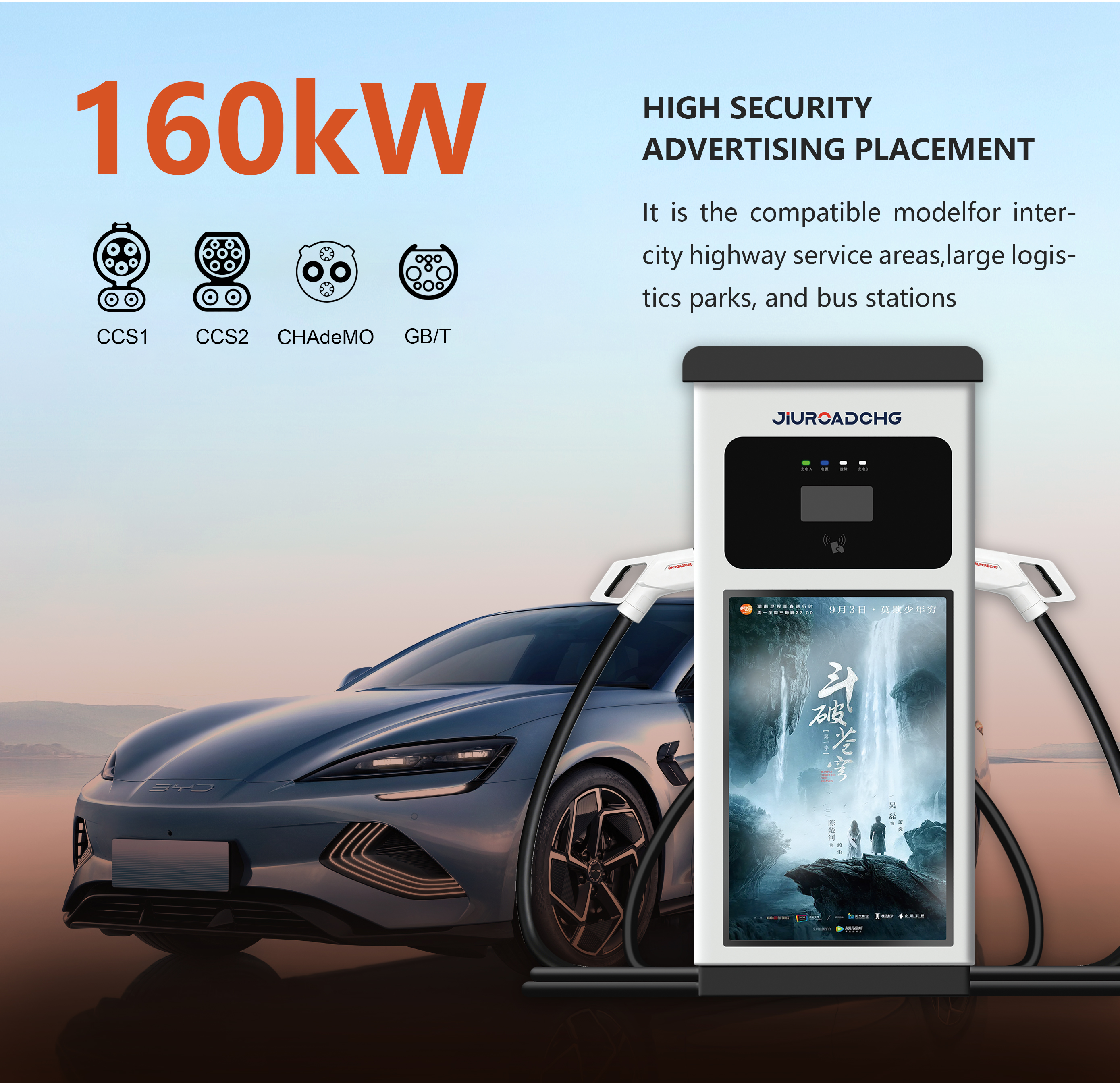
Conversely, high-turnover environments require a completely different strategy. You should deploy a DC charging machine when rapid turnaround is mandatory. Commercial fleets, ride-share hubs, and busy grocery centers benefit immensely from rapid charging. These robust units can replenish batteries in a fraction of the time. They ensure drivers get back on the road quickly, maximizing your parking bay availability.
Vendor lock-in represents a massive risk during hardware procurement. Always demand Open Charge Point Protocol (OCPP) compliance. Proprietary hardware binds you to a single software provider forever. If that provider raises network fees or goes bankrupt, your hardware becomes useless. OCPP compliance ensures you can switch software management platforms anytime. This standard guarantees future flexibility and protects your core infrastructure investment.
Stand-alone chargers create frustrating bottlenecks. Drivers hate downloading multiple apps just to park and charge. You must connect your charging hardware data seamlessly into your existing parking system. This interoperability transforms the user experience.
Modern parking environments use automated barriers, ticketing kiosks, and License Plate Recognition (LPR) cameras. Linking these tools directly to your chargers unlocks powerful automations. When an LPR camera reads an electric vehicle plate, it can automatically reserve a charging bay. It can also open the boom barrier and initiate the session instantly.
Unified billing streamlines operations significantly. Users should experience a single payment gateway. They want to pay for their parking duration and energy consumed in one transaction. Consolidating these fees reduces customer support tickets and improves revenue collection. Your management dashboard should display both parking occupancy and charger status simultaneously.
Enforcement mechanisms protect your investment from misuse. Loitering remains a persistent issue. Fully charged vehicles often sit connected for hours, blocking others. You can implement automated idle fees through your software platform. Once a vehicle reaches full capacity, the system texts the driver. If they fail to move the car within thirty minutes, the software applies a penalty fee.
Preventing non-electric vehicles from occupying dedicated spots requires vigilance. We call this "ICEing" in the industry. You can combat ICEing by integrating smart weight sensors or AI cameras. If a gas-powered car parks in a dedicated bay, the sensor detects no cable connection. It instantly alerts facility management or triggers an automated warning message via a digital display.
Electrical grid limitations often halt deployment projects entirely. Utility upgrades take months and drain budgets. Dynamic Load Management (DLM) solves this problem through intelligent software control. DLM distributes available power across multiple active chargers smoothly. It ensures your total power draw never exceeds the maximum site threshold.
The DLM concept acts like a smart traffic controller for electricity. Imagine you have 100 amps of available capacity. You install five chargers requiring 40 amps each. If all five activate simultaneously without DLM, they trip the main breaker. DLM software monitors the live load. When all five cars plug in, it dynamically throttles the output to 20 amps per charger. As cars finish charging, the software redirects the freed capacity to the remaining vehicles.
Deploying DLM helps you avoid massive capital expenditures. We see facilities install twenty charging ports on infrastructure originally designed for five. You maximize your existing electrical limits rather than waiting for utility companies to upgrade local transformers.
However, you must assess fail-safes and redundancy carefully. Cloud-based DLM relies on stable internet connectivity. If your network connection drops during peak parking hours, the system loses its coordination ability. Ask vendors about their local fallback behaviors. The best hardware automatically reverts to a safe, pre-programmed minimum output offline. This prevents breaker trips while keeping vehicles charging at a slower, secure rate.
Going all-in on day one introduces unnecessary risks. A phased rollout protects your operations and cash flow. The "make-ready" approach represents the safest adoption strategy available today. You perform all the heavy, disruptive engineering work upfront, but defer the hardware costs.
Running conduit, pulling wire, and upgrading panel capacity requires breaking concrete. You should trench and lay conduit for twenty future chargers today. However, you only install five physical stations initially. The remaining fifteen spots sit "make-ready." When tenant demand increases, adding new hardware takes hours instead of weeks. You avoid tearing up your facility twice.
Pilot testing ensures your Phase 1 rollout succeeds smoothly. Do not expand until you validate your initial assumptions. Monitor hardware uptime rigorously. Track user adoption rates and evaluate software stability under peak loads. Ask your daily users for feedback regarding cable lengths and payment ease. Fix any operational friction before scaling up.
Your immediate procurement next steps involve structuring a precise Request for Proposal (RFP). Build your RFP based on site-specific interval data, not guesses. Require electrical contractors to detail their ADA compliance experience. Demand hardware vendors prove their OCPP certifications. Specify your desired integration points between the charging network and your access control barriers. A tightly scoped RFP eliminates unqualified vendors quickly.
Deploying infrastructure successfully rarely means buying the most expensive hardware available. It requires a deliberate strategy. You must match your energy output directly to your facility dwell time. Integrating hardware seamlessly prevents operational gridlock and maximizes user satisfaction. Smart capacity planning protects your electrical grid from overloading.
Your most actionable next step starts offline. Initiate a comprehensive site-level power audit immediately. Review your current parking utilization data carefully. Identify exactly how long vehicles remain parked before engaging any hardware vendors. Gathering this baseline data ensures you make confident, scalable decisions for your property.
A: Local zoning laws typically mandate a minimum number of parking spaces. Many jurisdictions now allow dedicated EV spots to count toward this minimum. However, some cities require EV spots to remain accessible to all vehicles if chargers are inactive. Always consult your local municipal code to verify how converted spaces affect your overall compliance.
A: Yes. Modern management platforms use API integrations to consolidate billing. When a user enters the facility, the system links their license plate or access card. The software calculates the duration fee and energy tariff simultaneously. This integration processes a single, unified payment upon exit, improving the user experience.
A: Commercial fast units require significant industrial power. A standard 50kW unit typically needs at least a 480V, 3-phase electrical supply. Larger 150kW+ stations demand substantially more capacity. Always conduct a professional load study first. If your facility lacks 480V 3-phase power, you will likely need a utility transformer upgrade.
A: Facilities prevent ICEing through clear signage and active enforcement. Paint the spaces distinctly and post tow-away warnings. Technologically, you can install smart bollards or LPR cameras. These systems detect unauthorized license plates or lack of cable connection, instantly alerting management to dispatch a tow truck or issue a fine.


