


Views: 0 Author: Site Editor Publish Time: 2026-05-09 Origin: Site


Commercial charging operators and fleet managers face a severe infrastructure bottleneck today. Static power allocation traps valuable grid capacity. It severely ruins daily asset utilization. You cannot afford expensive infrastructure sitting idle. Some vehicles only draw trickle charges. Other vehicles demand massive power simultaneously. This inefficiency strangles your operational profitability. It strictly limits your total daily charging volume. The Horizontal Fully Flexible Split-type DC Charger emerges as the ultimate solution to this problem. This infrastructure physically decouples heavy power conversion from the slim user interface. It utilizes intelligent matrix-based power routing. This technology maximizes your hardware returns effortlessly. This article serves as a comprehensive decision-support guide. You will learn to evaluate long-term financial performance. We will discuss critical implementation trade-offs in detail. You will understand stringent procurement criteria. Read on to master dynamic allocation technology. You can confidently future-proof your commercial electric vehicle investments today.
Architecture: Separates the heavy power conversion cabinet (often in a space-saving horizontal form factor) from the slim charging dispensers, optimizing parking density.
Dynamic Efficiency: Uses full-matrix flexible power allocation to shift idle kilowatts from vehicles in trickle-charge mode to vehicles demanding fast charges, boosting daily throughput by an estimated 15-20%.
Cost Reality: Carries a higher initial installation complexity and CAPEX (due to trenching/cabling) but delivers a lower TCO for high-traffic fleets and public stations through modular maintenance and higher utilization.
Vetting: Choosing the right Horizontal Fully Flexible Split-type DC Charger manufacturer requires assessing their software compatibility (OCPP), dynamic load balancing (DLB), and ESS (Energy Storage) integration capabilities.
Traditional integrated chargers force a rigid 50/50 power allocation. Imagine a 180kW station serving two vehicles simultaneously. The system strictly splits the output. It forces 90kW to each vehicle. It completely ignores the actual power demand. One car might desperately need 150kW. The other battery might only accept 20kW. The static system stubbornly locks both at 90kW. This limitation cripples your overall charging efficiency. It frustrates drivers waiting for faster speeds. Your expensive hardware underperforms constantly.
Electric vehicle charging curves are rarely linear. Charging speeds drop significantly after a battery reaches 80 percent state of charge. A static system cannot adapt to this natural decline. Unused power capacity remains locked at the dispenser. It cannot flow to an adjacent vehicle. That adjacent vehicle might desperately need a fast charge. This creates a severe stranded power problem. You pay for a full 180kW connection. You only deliver a tiny fraction of it. The grid allowance goes entirely wasted.
Commercial grid capacity upgrades are notoriously expensive. Sometimes local utility companies outright deny them. You must squeeze maximum charging volume out of existing electrical limits. Wasting grid allowance on static chargers destroys profit margins. Dynamic environments demand much better asset utilization. Operators need a smarter way to manage power. You must avoid triggering costly grid overhauls. You need technology capable of shifting power dynamically. Static architectures simply fail to deliver adequate long-term financial returns.
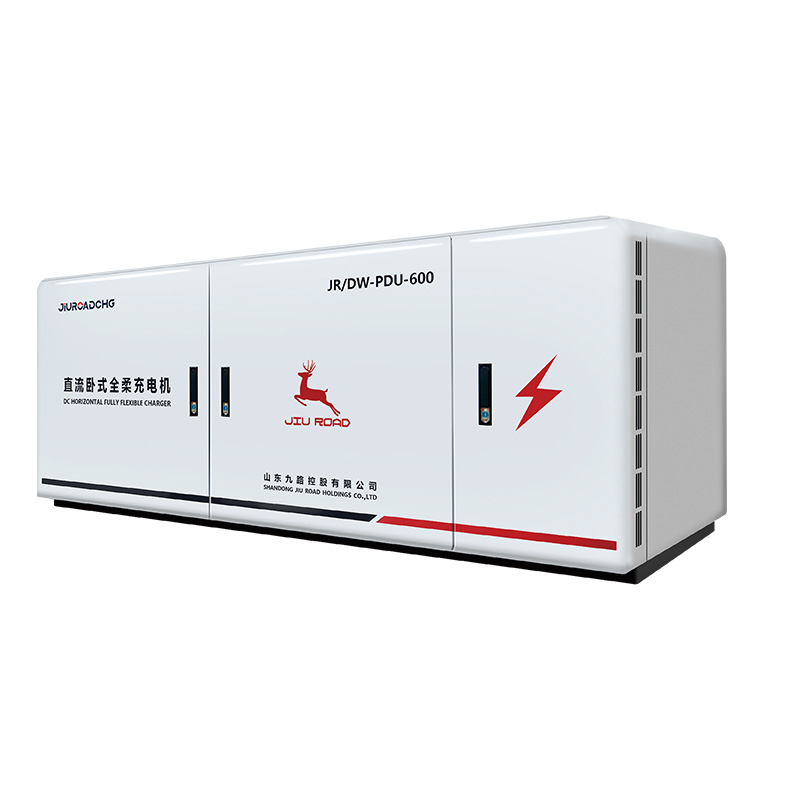
The split design completely rethinks traditional charging station layouts. It physically separates the Power Conversion Unit from the charging dispensers. The bulky rectifiers stay housed in a centralized cabinet. Only the slim user interfaces remain inside the parking bays. The horizontal form factor offers a distinct advantage. It perfectly suits installations facing vertical height restrictions. You can easily hide these low-profile cabinets. Landscaping often conceals them perfectly. They meet strict aesthetic zoning requirements effortlessly. This decoupling saves incredibly valuable parking space.
At the core lies dynamic matrix switching technology. We call this the flexible brain. The system continually monitors battery management system signals. It responds to these vehicle requests in milliseconds. Internal 12kW or 15kW power modules route power dynamically. A single horizontal cabinet can serve up to 8 or 10 dispensers simultaneously. If one car finishes charging, the system shifts those kilowatts instantly. The power flows directly to another waiting vehicle. This continuous optimization keeps your modules working hard. Your daily energy sales increase dramatically.
Downtime kills profitability in commercial fleet operations. This architecture utilizes a brilliant zero-downtime maintenance logic. The internal power modules operate entirely independently. If one single module fails, the system reacts immediately. It automatically isolates the problematic module. The rest of the unit continues operating normally. Technicians can swap the faulty module later. Your charging station never goes offline completely. This built-in redundancy guarantees reliable service. Critical fleet operations depend heavily on this uptime.
You must evaluate competing technologies carefully. We compiled the crucial criteria below to guide your procurement strategy.
Evaluation Criteria | Traditional Static Chargers | Flexible Split-Type Chargers |
|---|---|---|
Power Allocation | Rigid 50/50 hardware split | Millisecond dynamic routing |
Space Efficiency | Bulky footprint at parking bay | Slim dispensers, remote power unit |
Scalability | Requires entirely new cabinets | Add cheap dispensers easily |
Maintenance | Complete station downtime | Zero-downtime module isolation |
Higher initial costs often scare away new operators. Trenching and heavy cabling demand significant upfront capital. You must physically connect the remote power cabinet to multiple dispensers. However, you must model the long-term financial trade-off realistically. This architecture delays hardware obsolescence significantly. Higher daily energy sales quickly offset the initial trenching expenses. Your system sells more electrons per hour. The financial performance over five years heavily favors dynamic routing. Do not let initial sticker shock derail your strategy.
Parking lot expansions normally require massive capital investments. Traditional systems force you to buy entirely new power cabinets. You buy these for every two new parking spots. The split architecture changes this rule completely. You can easily add more user-facing dispensers later. Your initial central cabinet already houses the necessary power capacity. You simply wire new slim dispensers into the existing switch matrix. This approach minimizes future expansion costs. It allows you to scale alongside actual customer demand.
Modern charging hubs rarely rely on the grid alone. You must assess compatibility with solar-storage-charging loops. Integrating a battery Energy Storage System is essential today. The ESS performs critical peak shaving during high-demand hours. It prevents your local grid from tripping under maximum load. A robust power cabinet works seamlessly alongside local battery storage. This synergy reduces peak demand charges on your utility bill. It ensures uninterrupted service during unexpected grid fluctuations.
Premium parking real estate holds immense financial value. Traditional integrated chargers consume massive amounts of space. They sit clumsily between parking bays. Moving the bulky hardware components reclaims this valuable area. You relocate the heavy power conversion unit away from immediate parking spots. The remaining dispensers feature incredibly small footprints. You can fit more vehicles into tighter commercial lots. This spatial efficiency improves traffic flow. It significantly enhances the overall driver experience.
Deploying this advanced infrastructure requires careful site planning. Specialized cabling must connect the central power unit to multiple dispensers. This process introduces stringent installation requirements. You must hire highly skilled electrical contractors. They must carefully manage massive DC cables over long runs. Poor installation severely compromises safety and efficiency. Do not underestimate the complexity of this initial setup phase. Proper trenching demands accurate blueprints and experienced project managers.
This high-capacity architecture is not universally appropriate. You must evaluate your site turnover realistically. Light-duty sites rarely justify the massive investment. Small suburban retail locations see low vehicle turnover. Low-occupancy motels host cars parked overnight. These scenarios do not require millisecond power routing. Deploying matrix switching here becomes financially unviable. It is absolute overkill for slow overnight charging. Reserve this technology for high-traffic commercial hubs.
Physics dictates certain non-negotiable boundaries. Cable distance creates a significant technical constraint. You cannot place the horizontal power cabinet infinitely far away. Long cable runs induce severe electrical voltage drops. Heat dissipation also becomes highly problematic over extended distances. You must adhere strictly to the manufacturer's maximum viable cable distance. Liquid-cooled cables help manage heat at the dispenser. However, proper site layout remains crucial. You must balance remote cabinet placement against cable efficiency limits.
Partnering with the right Horizontal Fully Flexible Split-type DC Charger manufacturer dictates your operational success. You need reliable hardware. You also need robust software ecosystems.
Your site must welcome every electric vehicle. Ensure the manufacturer supports concurrent CCS and CHAdeMO standards. The North American market is shifting rapidly right now. You must demand pre-engineered NACS upgrade paths. Avoiding connector obsolescence protects your initial investment. You want hardware capable of adapting to future plug designs easily.
Backend management platforms require seamless communication. You must demand native OCPP 1.6J or 2.0.1 compliance. An open API architecture prevents frustrating vendor lock-in. You must retain the freedom to switch network operators later. Proprietary software ecosystems often restrict your business growth. They limit essential third-party integrations severely. Always insist on open communication protocols.
Look closely under the metal hood. Evaluate the quality of the internal power modules carefully. Demand efficiency ratings of at least 95 percent. Environmental sealing matters deeply for outdoor-rated enclosures. Ensure the cabinet carries an IP54, IP55, or equivalent NEMA rating. High-quality components resist dust, rain, and extreme temperatures.
Here are common mistakes to avoid during procurement:
Ignoring IP ratings for coastal or dusty deployments.
Failing to ask about liquid-cooled cable support.
Purchasing proprietary software locked to one vendor.
Overlooking the internal module replacement process.
Hardware inevitably breaks down over time. Assess the manufacturer's local support network thoroughly. Scrutinize the warranty terms on individual modular components. Remote diagnostic capabilities are absolutely critical today. Look for integrated 4G or LTE modems. These allow engineers to troubleshoot software glitches remotely. Fast remote fixes eliminate expensive on-site technician visits. Strong service agreements keep your charging revenue flowing.
The Horizontal Fully Flexible Split-type DC Charger is a heavy-duty infrastructure play. It is definitely not a one-size-fits-all product. Commercial operators focused on maximum throughput benefit immensely. Matrix power routing eliminates stranded kilowatts entirely. The split physical architecture reclaims valuable parking real estate. It ensures your power modules work relentlessly throughout the day. You maximize your hardware returns effortlessly.
Decision-makers must take proactive steps today. Audit your site's peak hour utilization rates carefully. Assess your existing utility grid limits thoroughly. Capacity planning demands accurate local data. Gather this essential information first. Then, initiate a Request for Proposal with verified manufacturers. Evaluate their dynamic load sharing capabilities closely. Strategic procurement ensures your fleet remains fully charged. It guarantees your operations stay highly profitable.
A: These commercial systems typically range from 360kW to well over 600kW. The centralized power cabinets house numerous smaller power modules. This massive capacity easily supports high-amp liquid-cooled cables. It allows operators to charge heavy-duty commercial fleets or service multiple passenger vehicles simultaneously.
A: Static load management relies on software to throttle output equally among vehicles. It strictly divides power regardless of actual battery demand. Dynamic power sharing uses hardware-level matrix switching. It physically re-routes power modules in milliseconds based on real-time vehicle requests. This eliminates idle capacity and significantly speeds up overall charging times.
A: Yes, these dense power conversion units generate substantial heat. They require advanced cooling mechanisms depending on the deployment climate. Most units utilize high-velocity forced air cooling. Deployments in extreme heat environments might require specialized liquid cooling systems. Proper thermal management ensures the modules maintain peak efficiency.
A: Yes, you can easily expand a split system. The architecture relies on modular upgrade paths. You can add more user-facing dispensers later. The initial central power cabinet must have available internal capacity. The existing switch matrix simply connects to the newly installed dispensers, saving significant expansion costs.


